

More articles in the Category:
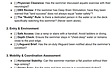
Swimming Safety Checklist
Swimming Safety Checklist: For People with Parkinson’s & their care partners
1. Pre-Swim Preparation
[ ] Physician Clearance: Has the swimmer discussed aquatic exercise with their neurologist?
[ ] DBS Review: If the swimmer has Deep Brain Stimulation, have they been warned that "land success" does not always equal "water safety"?
[ ] The "Buddy" Rule: Is there a dedicated person in the water or on the deck specifically watching this swimmer? (Never swim alone).
2. Entry & Environment
[ ] Safe Access: Use a ramp or stairs with a handrail. Avoid ladders or diving.
[ ] Depth Check: Ensure the swimmer stays in "chest-deep" water or remains close to the pool edge.
[ ] Lifeguard Brief: Has the on-duty lifeguard been notified about the swimmer’s condition?
3. Mobility & Coordination Assessment
[ ] Horizontal Stability: Can the swimmer maintain a flat position without their legs sinking?
[ ] Stroke Sync: Are the arms and legs moving in a coordinated rhythm?
[ ] Treading Water: Can the swimmer keep their head above water for 30 seconds without assistance?
[ ] Breathing: Is the swimmer able to time their breaths without gasping or swallowing water?
4. Warning Signs (Stop Immediately if:)
[ ] Swimmer is struggling to stay horizontal.
[ ] Movements become excessively "small" or "frozen."
[ ] Sudden loss of coordination (common with DBS settings).
[ ] Increased tremors or visible fatigue.
💡 Why This Matters
The Benefit: Water reduces fall risk and builds strength/posture.
The Risk: Nearly 50% of Parkinson’s swimmers in a major study reported near-drowning experiences due to sudden coordination loss.
The DBS Factor: Deep Brain Stimulation can improve walking but may "short-circuit" the complex coordination needed for swimming. Always re-test skills after a DBS adjustment.
Last changed:
1/18/26, 7:53 AM